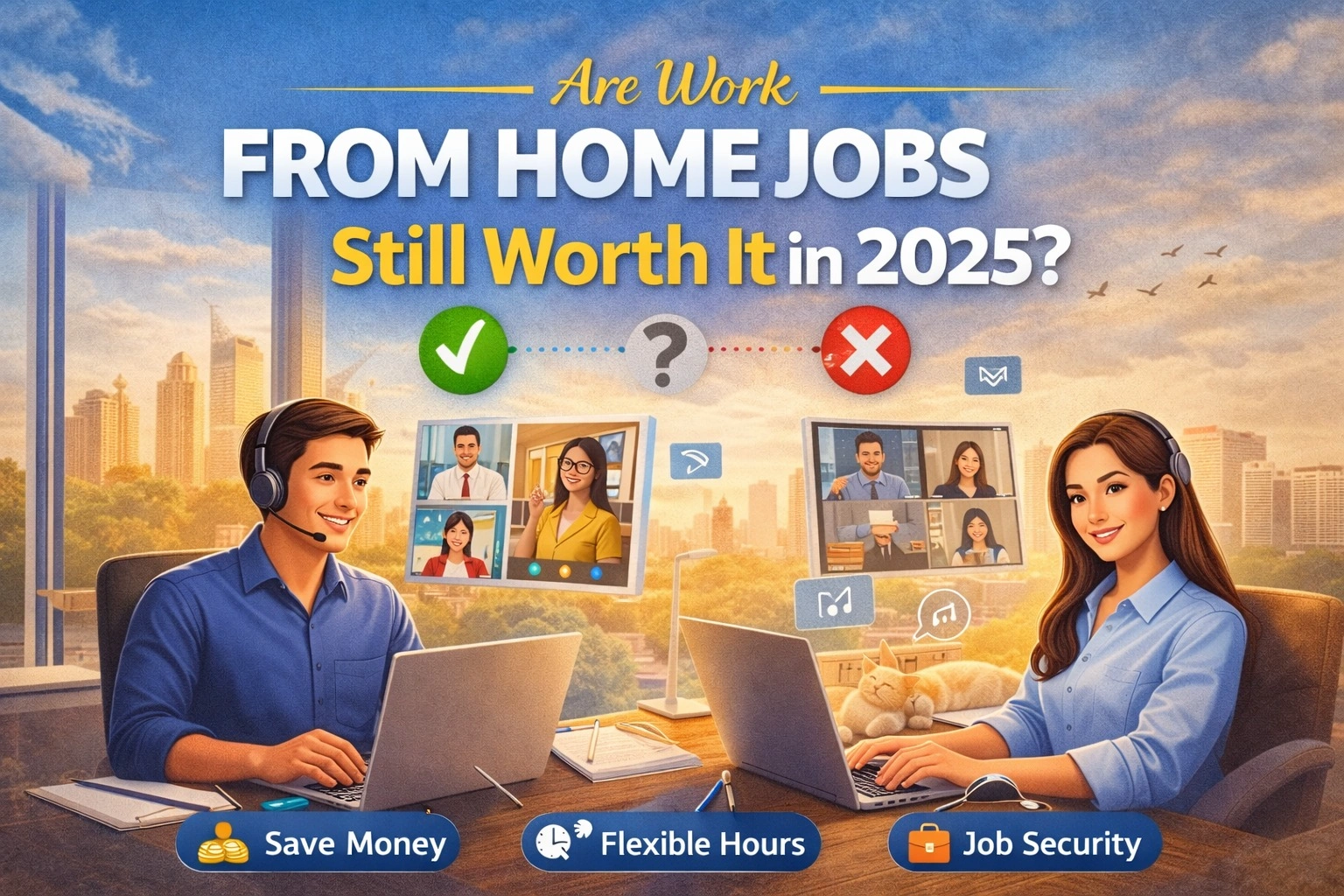
Are work from home jobs still worth it in 2025? Explore the pros, cons, trends, and tips to maximize remote work opportunities in today’s evolving job market.
The concept of working from home (WFH) has evolved from being a niche option to a mainstream employment trend. As we step into 2025, many professionals are asking: Are work from home jobs still worth it? With changing technologies, workplace dynamics, and personal priorities, the answer is multifaceted. This article explores the advantages, challenges, and future outlook of remote work in 2025.
The Evolution of Work From Home Jobs
Before the COVID-19 pandemic, work from home opportunities were relatively limited. Remote jobs were mostly reserved for freelancers, tech professionals, or senior employees with flexible arrangements. However, the pandemic accelerated digital transformation, pushing companies worldwide to adopt remote-friendly policies.
Now, in 2025, remote work has matured. High-speed internet, advanced collaboration tools, AI-powered productivity apps, and cloud-based workspaces have made working from home more efficient than ever. Many organizations now offer hybrid models, combining office and remote work to maintain flexibility and employee satisfaction.
Pros of Work From Home Jobs in 2025
- Flexibility and Work-Life Balance
One of the biggest advantages of WFH jobs is flexibility. Employees can structure their day according to their productivity peaks, personal commitments, and family needs. This flexibility improves work-life balance and reduces stress. - Cost Savings
Remote work eliminates commuting costs, expensive lunches, and office attire. This not only saves money but also reduces carbon footprints, contributing to environmental sustainability. - Global Job Opportunities
Work from home jobs break geographical barriers. Professionals can now work for companies across countries without relocating. This opens doors to higher salaries, better career prospects, and exposure to global work culture. - Increased Productivity
Many employees report higher productivity while working from home due to fewer office distractions, personalized work environments, and the ability to focus deeply on tasks. - Health and Wellness
WFH allows employees to adopt healthier routines, such as cooking their meals, exercising regularly, and avoiding stressful commutes. Mental health benefits are also significant, as employees experience lower burnout rates.
Challenges of Work From Home Jobs
- Isolation and Loneliness
Working remotely can be isolating, especially for individuals who thrive on social interaction. Over time, the lack of physical presence may affect collaboration, networking, and emotional well-being. - Work-Life Blur
Without clear boundaries, home and work life can merge, leading to overworking. Setting schedules and creating a dedicated workspace are essential to avoid burnout. - Communication Barriers
Remote work relies heavily on digital communication. Misunderstandings can occur, and important updates may get lost in emails or chat platforms. - Career Growth Concerns
Some professionals worry that remote work may affect promotions, visibility, and mentorship opportunities. Companies must actively maintain fair evaluation processes for remote employees.
Trends Making Remote Work Worth It in 2025
- AI and Automation
Artificial intelligence and automation tools are making remote work more efficient. Tasks like scheduling, data analysis, and customer support are increasingly automated, allowing employees to focus on creative and strategic work. - Hybrid Work Models
Hybrid setups are now the norm for many organizations. Employees can enjoy the benefits of remote work while maintaining periodic office interactions for collaboration and team bonding. - Upskilling and Online Learning
Remote work has encouraged continuous learning. Professionals can take online courses, attend virtual workshops, and earn certifications without leaving their homes, enhancing career growth prospects. - Global Freelance Economy
Freelancing platforms have expanded dramatically. Skilled professionals can secure high-paying projects globally, making remote work financially rewarding.
Tips to Maximize the Value of WFH Jobs
- Create a Dedicated Workspace
Having a specific area for work helps maintain focus and separates professional and personal life. - Stick to a Routine
Even though flexibility is a perk, a consistent daily schedule improves productivity and time management. - Invest in Technology
High-speed internet, noise-cancelling headphones, and collaboration tools like Slack, Zoom, and Trello can boost efficiency. - Stay Connected
Regular virtual meetings, team activities, and networking can prevent isolation and maintain strong professional relationships. - Upskill Continuously
Take advantage of online learning to stay competitive and open doors to higher-paying roles.
Conclusion
Work from home jobs in 2025 are still very much worth it, especially for those who value flexibility, autonomy, and global career opportunities. However, they come with challenges like isolation and blurred boundaries. By adopting smart strategies, investing in the right tools, and prioritizing personal growth, remote work can provide long-term career and lifestyle benefits.
Ultimately, the worth of WFH jobs depends on personal preferences, career goals, and adaptability. For many, the convenience, cost savings, and freedom offered by remote work make it a highly attractive option in today’s dynamic job market.
FAQs
1. Are work from home jobs better than traditional office jobs?
It depends on individual preferences. WFH offers flexibility, cost savings, and global opportunities, while office jobs provide networking and structured work environments.
2. What types of jobs are best suited for remote work in 2025?
Tech roles, content creation, digital marketing, customer support, data analysis, and freelance consulting are highly suitable for remote work.
3. Can remote work affect career growth?
It can, if visibility and networking are neglected. Proactively engaging with colleagues, attending virtual events, and continuous upskilling can mitigate this risk.
4. How can I stay productive while working from home?
Create a dedicated workspace, follow a routine, use productivity tools, and take regular breaks to stay focused and energized.
5. Is freelancing more profitable than traditional WFH jobs?
Freelancing can be highly profitable, especially with in-demand skills. However, income may fluctuate, unlike fixed-salary remote jobs.